The story of paper begins in 105 CE with a ground-breaking invention by Cai Lun, a court official in the Han Dynasty of China. Combining mulberry bark, hemp rags, and other fibrous materials, Cai Lun developed a revolutionary method to create a lightweight, durable medium that would transform communication and record-keeping forever. His process involved macerating plant fibres into a slurry, pressing it into thin sheets, and drying it—an innovation that set the foundation for modern papermaking.
However, the concept of creating surfaces for writing predates this invention. Ancient Egypt relied on papyrus, a material crafted from the pith of the papyrus plant, as early as 3,000 BCE. Similarly, parchment, made from treated animal skins, was widely used in West Asia and Europe for its resilience and suitability for manuscripts. While neither material can truly be called "paper," their usage demonstrates humanity’s enduring quest for tools to record thoughts, art, and knowledge.
Cai Lun’s creation marked a turning point, not only for its practicality but also for its accessibility. Unlike parchment or papyrus, which depended on limited resources, his method used readily available plant-based materials, echoing the principles of sustainability that resonate with eco-conscious practices today.

Papermaking began as a meticulous, labour-intensive process in ancient China. Early methods involved pounding fibrous plants like mulberry bark and hemp into a pulp, fermenting the mixture, and spreading it onto frames to form sheets. This approach, while rudimentary, established the core principles of papermaking: fibre preparation, sheet formation, and drying.
As the craft spread beyond China, it evolved significantly. In medieval Europe, towns like Xàtiva in Spain and Fabriano in Italy became innovation hubs. Mechanized water-powered mills replaced manual techniques, improving efficiency. Fabriano artisans introduced watermarking and surface sizing, producing stronger, more uniform sheets suitable for writing and art.
"Prior to the invention of the paper machine, paper was made one sheet at a time by dipping a frame or mold with a screened bottom into a vat of stock." - Source
By the 18th and 19th centuries, mechanized production transformed the industry. The Fourdrinier machine, invented in France and refined in England, enabled continuous production of paper rolls, meeting the growing demand for printing, packaging, and communication. This era marked the transition from artisanal methods to industrial scalability.
These technological advancements not only increased efficiency but also laid the groundwork for modern sustainable practices, such as recycling and using alternative fibres, ensuring paper remains an essential and eco-friendly resource.
The art of papermaking, originating in China, travelled across the ancient world, transforming cultures and industries. By the 3rd century CE, it spread to Korea and later to Japan, where artisans adapted the techniques using local materials like rice straw and kozo bark, creating distinct paper forms such as washi.

A pivotal moment in this diffusion occurred during the Battle of Talas in 751 CE. This clash between the Tang Dynasty and the Abbasid Caliphate led to the capture of Chinese papermakers, who introduced the craft to the Islamic world. Cities like Samarkand and Baghdad became centres of papermaking excellence, incorporating innovations in dyeing, sizing, and textures suitable for Islamic art and calligraphy.
By the 11th century, papermaking had reached Spain, where Islamic rule saw the establishment of Europe’s first paper mills, particularly in Xàtiva. From there, the craft spread to Italy, with towns like Fabriano leading advancements in watermarking and surface sizing. These innovations enhanced paper’s durability and appeal, setting the stage for its central role in European art and literature.
This cultural exchange bridged continents, laying the groundwork for Europe’s Renaissance and enabling the widespread dissemination of knowledge and ideas. The legacy of papermaking continues to inspire creativity and collaboration, demonstrating its enduring influence on global progress.
From its earliest days, paper has been an incredibly versatile material, serving functions beyond writing. In ancient China, it was used for writing scrolls and records, wrapping delicate items, and even as toilet paper—a practical innovation centuries ahead of its time. This adaptability highlighted the material's importance in daily life, bridging practical and cultural needs.
One of paper’s earliest notable applications was in official records, with the Chinese imperial court adopting yellow-dyed paper as a symbol of authority. This innovation standardized documentation and underscored paper’s role in governance and administration.
As papermaking spread, its uses expanded. By the Tang Dynasty (618–907 CE), paper money revolutionized trade, offering a lightweight alternative to coins. The production of envelopes provided a secure means of communication, while decorative applications, such as lanterns, fans, and paper cuts, celebrated cultural traditions.
These historical applications demonstrate the ingenuity of early civilizations in utilizing paper to meet both functional and artistic needs. Its versatility continues to inspire, making it an enduring cornerstone of creativity and progress.
The 18th and 19th centuries marked a transformative era in papermaking, transitioning from artisanal craftsmanship to industrial-scale production. A key development was the invention of the Fourdrinier machine in 1803, which enabled the continuous production of paper rolls, replacing the laborious process of creating individual sheets. Shortly after, the cylinder paper machine enhanced efficiency further by improving speed and uniformity in sheet formation, making paper more affordable and accessible.

Mechanization extended beyond sheet formation. In Europe, trip hammers, originally designed for metalworking, were adapted to crush plant fibres, replacing manual maceration. By the mid-19th century, steam power revolutionized production, driving machines with unmatched efficiency. These advancements not only boosted productivity but also reduced costs, cementing paper’s role as an everyday necessity.
A significant shift during this period was the adoption of wood pulp as the primary raw material. While early papermakers relied on recycled textiles like rags, the growing demand for paper necessitated an abundant and inexpensive alternative. Wood pulp met this need, but it also raised environmental concerns, particularly deforestation—a challenge that continues to inspire innovations in sustainable practices today.
These industrial advancements laid the foundation for modern papermaking, ensuring that paper remains both a practical and essential material while adapting to contemporary environmental priorities.

The invention of paper sparked a cultural revolution, transforming how information was recorded, shared, and understood. This impact reached new heights in the 15th century with Gutenberg’s printing press, which paired moveable type with paper to produce books at unprecedented speed. The printing press democratized knowledge, fuelling the spread of literacy and giving rise to an educated middle class.
Paper also played a pivotal role in making religious texts more accessible. For the first time, works like the Bible were printed in vernacular languages, allowing individuals to engage directly with sacred writings. This shift empowered people to explore spirituality and literature independently, laying the groundwork for transformative movements like the Reformation and the Enlightenment.
Beyond religious texts, paper facilitated the production of stationery—from journals to letters—that became staples of personal and professional life. Affordable and practical, it bridged distances, fostered education, and enabled the global dissemination of knowledge. By the 19th century, paper was integral to homes, schools, and offices, cementing its status as a cornerstone of modern society.
From its invention to its role in modern education and communication, paper remains an enduring symbol of progress and empowerment, shaping the way we share ideas and knowledge.

Across the globe, paper has served as a canvas for cultural expression and innovation, reflecting the unique traditions of each region. In Korea, the art of bojagi wrapping—originally crafted with textiles—was adapted to paper, showcasing resourceful and beautiful techniques for gift-giving and storage. Similarly, Japan’s furoshiki, a folding and wrapping method, evolved into intricate paper designs that transformed everyday packaging into art.
In the West, the early 20th century saw the rise of decorative wrapping paper. While plain brown paper had been a functional staple, the founders of Hallmark introduced coloured and patterned wrapping paper, revolutionizing gift presentation and turning it into a personal and creative expression.
These regional innovations demonstrate the versatility of paper as both a functional material and a medium for artistic expression. From practical wrapping methods to vibrant decorative styles, paper continues to embody cultural ingenuity and creativity across the world.
Paper’s evolution continues to push boundaries in modern science and technology. In micro-scale chemistry experiments, it serves as a low-cost, biodegradable substrate for diagnostic tools and lab-on-a-chip devices. Its porous structure and lightweight properties make it ideal for medical testing in resource-limited settings, combining practicality with sustainability.
In the tech industry, paper has become a powerful medium for printing circuit boards. Engineers are exploring paper-based electronics for lightweight, flexible communication devices, reducing dependence on plastics and metals. These innovations not only advance technology but also align with environmental sustainability goals.
One of the most promising developments is paper’s role in energy-efficient products like lithium-ion batteries. Researchers have developed methods to incorporate paper into battery electrodes, creating components that are lightweight, durable, and biodegradable. This breakthrough has the potential to revolutionize energy storage, making it both more sustainable and widely accessible.
These modern applications underscore paper’s adaptability and enduring relevance, bridging traditional functionality with cutting-edge innovation to meet today’s technological and environmental challenges.

While paper has long been essential to human progress, its production and recycling face unique challenges. A key issue is fibre degradation—with each recycling cycle, paper fibres shorten, reducing their strength and quality. This limitation necessitates the introduction of new raw materials to maintain the supply chain and ensure durability.
Modern advancements have embraced sustainable materials like cellulose, derived from renewable sources such as wood, agricultural residues, and algae. Biodegradable and versatile, cellulose forms the basis of eco-friendly products ranging from packaging to textiles, helping paper production align with environmental goals and reducing reliance on non-renewable resources.
Paper’s versatility extends into innovative applications. In bioenergy, cellulose-based materials are explored as renewable energy sources. Tissue production benefits from paper’s hygienic properties, offering solutions with minimal environmental impact. Additionally, in green chemistry, paper-derived materials are replacing synthetic chemicals, providing sustainable alternatives in industries like pharmaceuticals and cosmetics.
These innovations demonstrate how the paper industry continues to evolve, combining resourcefulness with sustainability to meet modern environmental challenges while maintaining its vital role in society.

From its humble beginnings in ancient China to its role in today’s cutting-edge technologies, paper has been a driving force in human progress. Its adaptability, from preserving knowledge to fostering creativity, has made it an indispensable material across generations. Yet, as we face modern environmental challenges, the importance of producing and using paper responsibly has never been clearer.
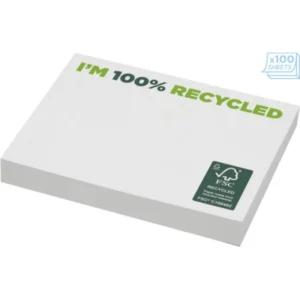
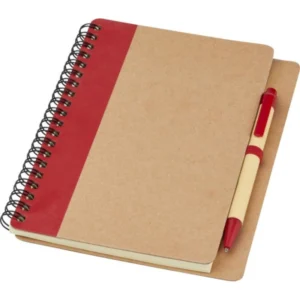
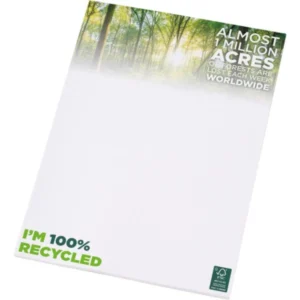
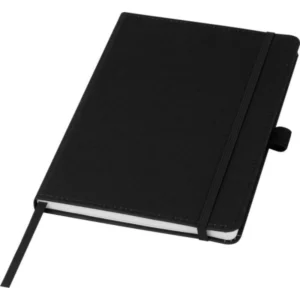
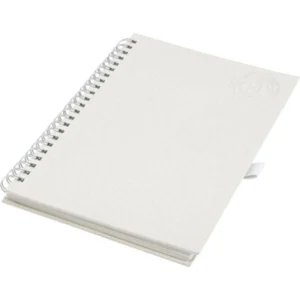
At BIDBI, we honour this legacy by offering a range of sustainably sourced products that reflect the best of what paper can achieve. Our notebooks, notepads, and pens are designed with the environment in mind, utilizing eco-friendly materials and production methods. Whether you're jotting down ideas, sketching designs, or staying organized, our Sustainable Life range ensures that every page contributes to a greener planet.
By choosing BIDBI’s Sustainable Life collection, you're not just selecting high-quality stationery; you're making a commitment to reduce environmental impact and support ethical practices. Together, we can continue paper’s rich tradition of innovation, creativity, and responsibility—one notebook, notepad, or pen at a time.